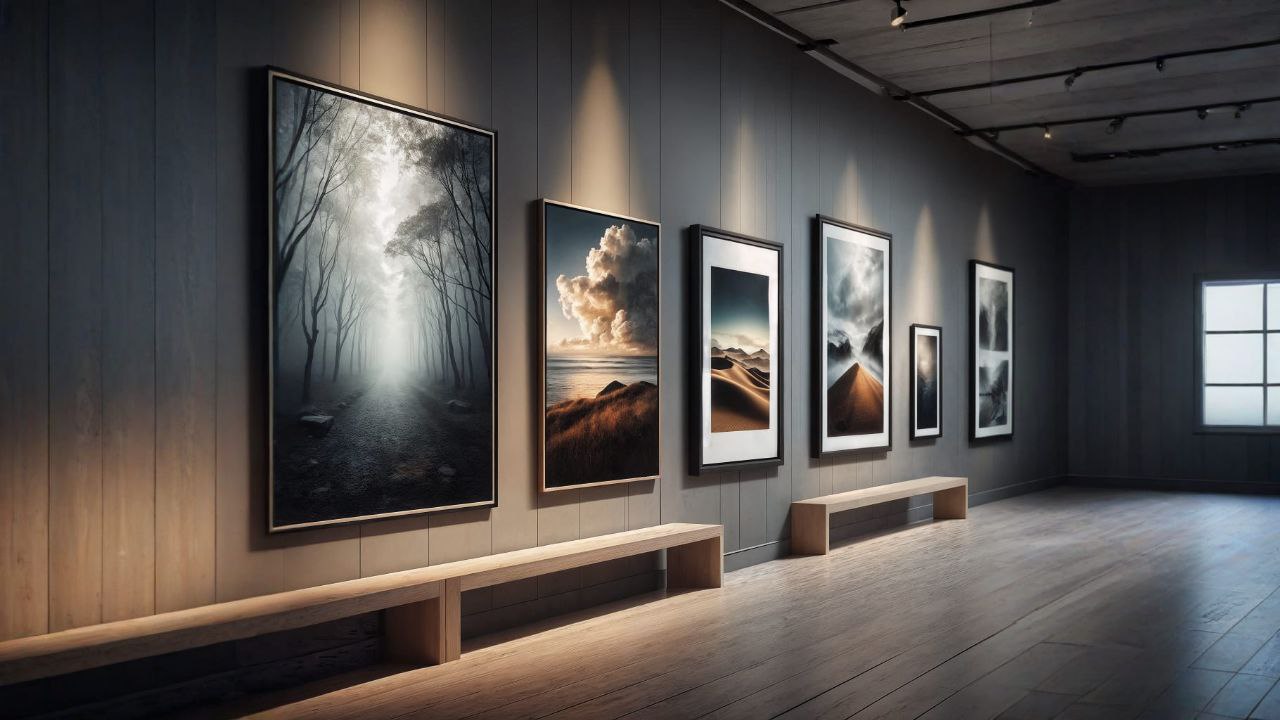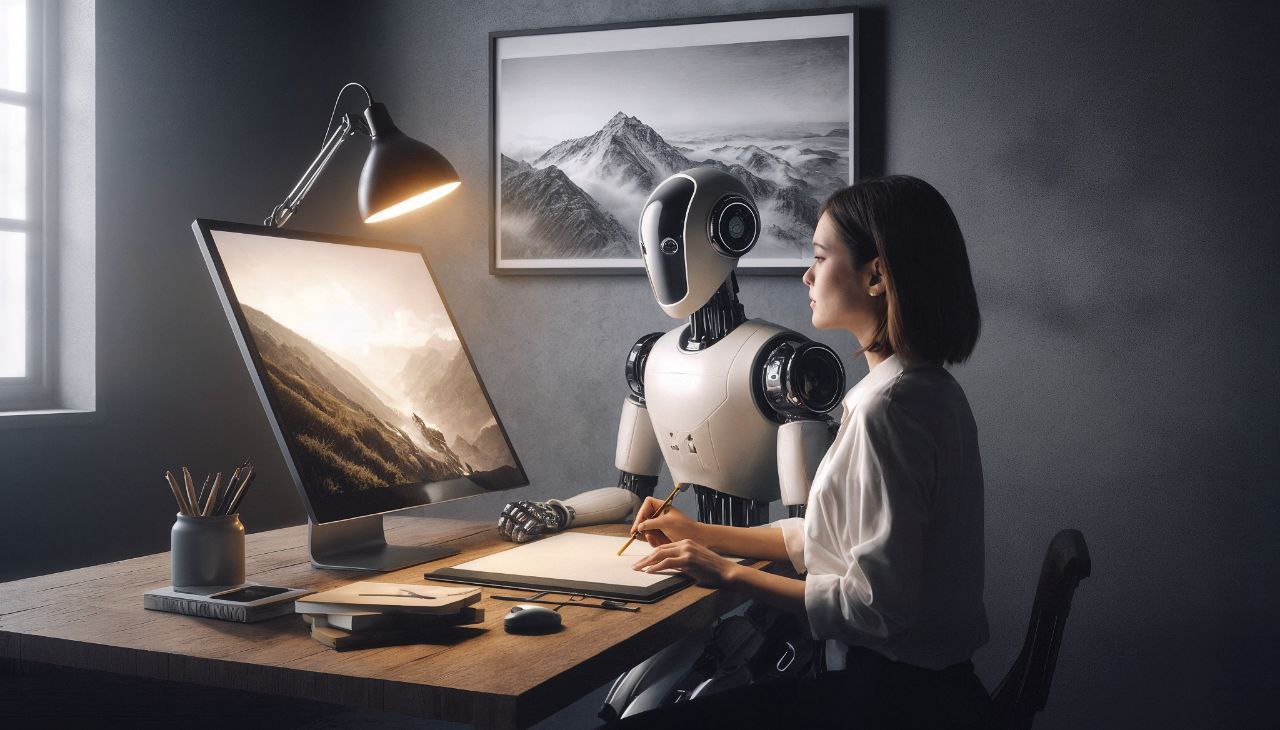
We’re living through one of the fastest shifts in the history of art. Artificial intelligence is now everywhere — producing surreal paintings, fantastical portraits, and landscapes so detailed they can trick the eye at first glance. It’s fast. It’s polished. And, let’s be honest, some of it is breathtaking.
But here’s the real question: what does all of this mean for artists, collectors, and people who care about more than decoration?
What AI Can Do — and What It Can’t
AI is good at certain things. It can remix colors and shapes in ways that feel new. It can generate ten thousand variations of an idea in the time it takes me to set up a tripod. And for casual buyers who just want something “nice” for the wall, that’s exciting.
But speed and novelty are not the same as depth.
An AI has never stood on a mountain ridge at sunrise, waiting for light to break through the clouds. It has never felt the exhaustion of the climb, or the silence that makes the moment sacred. It can simulate those things visually — but it doesn’t know them.
And that gap shows.
Why Human Work Still Resonates
When a collector chooses a fine art print, they’re not only choosing an image. They’re choosing intentionality — the fact that every element was shaped by a human being with vision, patience, and care.
They’re choosing authenticity — that connection to a real place, a real experience, a real story.
And they’re choosing value — something scarce, something that carries meaning beyond decoration.
I once had a collector tell me, “I don’t buy your photographs because they’re beautiful. I buy them because I feel something when I look at them.” That’s the difference. Beauty is everywhere. Meaning is rare.
Where AI Leaves Off, Artists Step In
This isn’t about rejecting technology. I use tools too — digital cameras, editing software, printing processes that didn’t exist decades ago. AI will likely be another tool in that mix.
But tools aren’t the point. The point is what we bring to them.
For me, that means offering prints that are not mass-produced, not endlessly repeatable, but chosen carefully, crafted with attention, and created from lived experience. The landscapes I photograph are not just pixels on a screen. They’re places I’ve walked, breathed, and stood still in — often for hours — waiting for the light that makes everything come alive.
The Future: More Images, More Noise
AI isn’t going away. If anything, it’s going to flood the world with more images than ever before. That makes human work even more valuable.
Because in a world where everyone has access to infinite visual content, the true luxury is authenticity.
And that’s what collectors, designers, and art lovers will continue to seek out.
Final Thought
AI has changed how we make and consume images. But it hasn’t changed what we’re really looking for in art.
We don’t just want to see something beautiful.
We want to feel something true.
And that — the story, the presence, the human touch — is something no algorithm can replicate.